Reviewing the One Lucky Nana SVG for Embroidery
As a designer who spends half my life digitizing files and the other half watching needles punch through fabric, I have learned to be skeptical of cute quotes. The market is flooded with text-based designs that look charming on a screen but turn into a tangled mess of thread breaks and puckering on actual garments. When I first pulled up the One Lucky Nana Svg, my initial reaction was cautious optimism. The phrase itself carries warmth, nostalgia, and a specific kind of familial pride that sells well in the handmade sector. But does the design hold up under the mechanical stress of an embroidery machine? Let’s break it down from a practical, stitch-by-stitch perspective.
First Impressions and Visual Personality
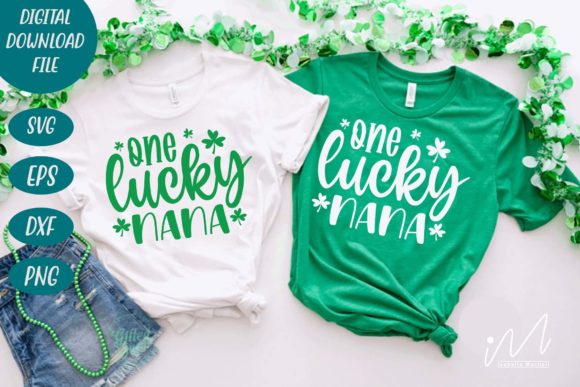
The visual personality of this design is approachable and soft. It avoids the harsh, rigid lines of corporate typography, opting instead for a layout that feels personal and hand-lettered. For an embroidery project, this is crucial. Rigid fonts often require excessive satin stitching to maintain sharp corners, which can lead to bulky, stiff patches on soft fabrics like baby onesies or lightweight tees. This design appears to balance aesthetic appeal with structural integrity.
The mood it creates is one of gentle celebration. It is not loud or aggressive; it is a quiet statement of joy. This makes it versatile. It fits naturally into the Crafts category not just as a digital asset, but as a foundational element for heartfelt gifting. Whether you are creating a holiday gift for a grandmother or a boutique product for a new mom, the design communicates value without shouting. As a piece of Graphics art, it relies on clean lines and balanced spacing, which are the two most important factors when converting a vector image into a functional machine embroidery design.
Real-World Application: The Tote Bag Test
To truly evaluate a file, you have to imagine it on a real substrate. I recently worked on a custom order for a local boutique selling eco-friendly tote bags. The client wanted something that felt premium but not overly formal. I considered using the One Lucky Nana Svg for this application. Tote bags are typically made from canvas or heavy cotton, which can handle higher stitch density than delicate knits.
If I were stitching this onto a canvas tote, I would likely scale the design to fill the center panel comfortably. The open spaces in the lettering allow the texture of the fabric to show through, preventing the design from looking like a solid plastic patch. This breathability is key for larger items. For a smaller item, like a personalized gift such as a baby blanket or a kitchen towel, the scalability of the SVG format becomes its greatest asset. Since the product description notes that you receive SVG, DXF, EPS, and PNG Transparent files, you have the flexibility to resize the artwork without losing resolution before you even begin the digitizing process.
Performance on Different Fabrics
Where this design shines is in its adaptability across different fabric texture types. However, every material demands a different approach. On a sweatshirt embroidery project, the pile of the fleece can swallow small details. If the original vector has very thin connecting lines between letters, those might get lost in the fuzz. In such cases, I recommend slightly increasing the stroke width during the digitizing phase or choosing a high-contrast thread colors scheme, such as cream thread on a navy sweatshirt.
Conversely, for baby embroidery on fine cotton or jersey knits, stability is the primary concern. Stretchy fabrics require a robust stabilizer strategy. Because this design is text-based, it likely lacks the heavy fill areas that anchor a design naturally. You must ensure your hoop size is appropriate and that you use a cut-away stabilizer for stretchy materials to prevent distortion after washing. A running stitch border might be necessary to secure the fabric before the main lettering begins, especially if you are working with slippery materials like satin or silk blends.
Technical Considerations for Digitizers
It is important to clarify a common misconception among new crafters: an SVG is not an embroidery file. It is a vector graphic. To use the One Lucky Nana Svg in your machine, you must convert it using embroidery software. This step is where the magic—and the potential pitfalls—occur. The provided formats (SVG, DXF, EPS) are ideal for importing into programs like Wilcom, Hatch, or Brother PE-Design.
When converting this specific quote, pay close attention to the curves. Smooth curves in vectors should translate to smooth satin columns or well-placed fill stitches in embroidery. Avoid auto-digitizing if possible, as automated tools often create excessive jump stitches and poor underlay. A manual approach allows you to control the applique design elements if you choose to add them, or to optimize the pathing to minimize thread trims.
Check the small details. If the design includes any decorative flourishes or dots above the "i" in "Lucky," ensure they are large enough to stitch cleanly. Tiny details under 3mm can easily become loose loops or cause needle breaks. If you plan to sell this as a digital embroidery file yourself, you must test these micro-details extensively. For those using it for commercial embroidery in a small shop, consistency is key. Ensure that every time you stitch this design, the tension and registration remain perfect.
Commercial Viability and Branding
For Etsy seller accounts and small business owners, the commercial appeal of this design lies in its emotional resonance. "Nana" is a specific term of endearment that targets a niche but loyal demographic. Using this design on custom apparel like aprons or caps can help build a cohesive brand identity centered around family and tradition. It works well for holiday embroidery collections, particularly around Mother’s Day, Christmas, or birthdays.
However, professionalism dictates that you verify licensing terms. While the file formats suggest flexibility for resizing and color changing, always confirm whether the creator allows for unlimited commercial use of the finished physical products. Most SVG creators allow you to sell the physical items you make, but reselling the digital file itself is usually prohibited. Always read the specific license included with your download.
Final Verdict and Practical Tips
The One Lucky Nana Svg is a strong candidate for your next project, provided you respect the technical requirements of embroidery. It is not just a pretty picture; it is a tool for creating tangible value. Here are my final recommendations for best results:
- Test on scrap fabric first: Never stitch directly on your final garment. Use a similar weight and weave to check for puckering.
- Contrast is king: Ensure your thread color stands out against the fabric. Low contrast can make text hard to read from a distance.
- Stabilize appropriately: Use tear-away for stable woven fabrics and cut-away for knits and stretchy materials.
- Check hoop size: Ensure the design fits within your machine’s maximum hoop dimensions without needing to split the design.
- Inspect small details: Zoom in on your digitized version to ensure no elements are too small to stitch reliably.
In the world of handmade product creation, the difference between a good item and a great one is often attention to detail. This design offers a solid foundation for that greatness. Whether you are making a single embroidered patch for a friend or a batch of tote bag design prototypes for your shop, treat the file with care, digitize with precision, and stitch with confidence. The result will be a finished product that honors the sentiment behind the words while showcasing your skill as a maker.