Reviewing One Lucky Nanny SVG for Real Embroidery
As a designer who has spent countless hours digitizing files and testing them on everything from stiff denim to delicate baby knits, I approach every new One Lucky Nanny Svg with a critical eye. It is not enough for a design to look cute on a screen; it must survive the needle, the hoop, and the wash cycle. When I first opened this file, my immediate thought was about its potential in the personalized gift market. The phrase itself carries warmth and humor, making it an ideal candidate for heartfelt presents. However, the transition from a vector graphic to a stitched reality requires careful planning.
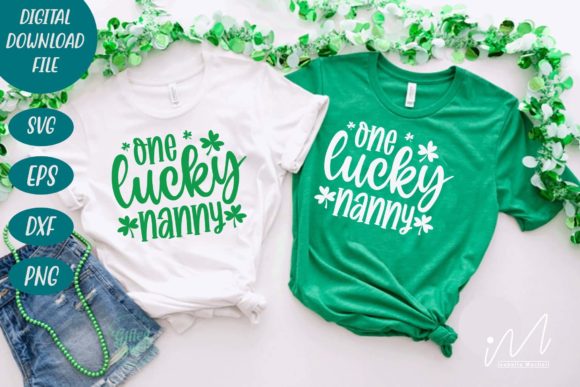
The visual personality of this design is clean and direct. In the world of Crafts and Graphics, simplicity often translates best to embroidery. Complex gradients and tiny details can get lost in thread, but bold lines and clear typography tend to hold up well. This particular design relies on strong lettering, which suggests it will perform best when treated with respect for spacing and density. My first impression was that it fits naturally into the category of boutique branding or high-quality handmade products. It does not scream "cheap souvenir"; instead, it whispers "thoughtful custom apparel."
Real-World Application: The Custom Sweatshirt Test
To truly evaluate One Lucky Nanny Svg, I imagined a specific real-life scenario. A client approaches me for a holiday gift for her mother, who watches the grandchildren three days a week. She wants something cozy but stylish, not just a generic store-bought item. We decide on a high-quality, heavyweight crewneck sweatshirt. This is where the rubber meets the road. Using this design on a curved surface like a chest area requires precision.
Because the file comes in formats like SVG, DXF, and EPS, I have the flexibility to adjust the size before converting it into a machine embroidery design. For a sweatshirt, I would likely scale it to fit comfortably within a 5x7 or 6x10 hoop, ensuring the text remains legible without becoming so large that it distorts the fabric. The ability to change colors in appropriate software is a significant advantage here. I can match the thread colors exactly to the brand palette of the client’s small shop or choose contrasting tones that pop against heather grey or navy fabric.
Stitching Considerations and Fabric Choice
When working with text-based designs, the choice between a satin stitch and a fill stitch is crucial. For One Lucky Nanny Svg, if the letters are thick enough, a satin stitch provides a shiny, professional finish that catches the light beautifully. However, if the design includes thinner elements, a running stitch or a lighter fill might be necessary to prevent puckering. Stitch density is another factor I always monitor. Too dense, and the fabric pulls; too sparse, and the backing shows through.
I recommend testing this design on scrap fabric first. This is non-negotiable for any serious Etsy seller or craft business owner. Try it on a similar weight to your final product. If you are stitching on a tote bag, the canvas is sturdy and forgiving. If you are working on a baby onesie, the fabric is thin and stretchy. In the latter case, using the right stabilizer is essential. A cut-away stabilizer might be overkill for a onesie, but a tear-away could leave residue. I often use a lightweight tear-away for cotton knits, ensuring the embroidered patch effect remains soft against sensitive skin.
Navigating Challenges with Small Details
While the design is generally robust, there are areas where caution is needed. Tiny serifs or intricate corners in the lettering can become problematic if the design is scaled down too much. When shrinking One Lucky Nanny Svg for a cap or a small pocket on a shirt, inspect the small details closely. What looks crisp on a monitor may turn into a blob of thread on fabric. I advise checking the design in black and white mockups to see if the contrast holds up without color distraction. This helps identify any potential issues with stitch clarity before you waste expensive thread.
Dark fabrics present another challenge. If you are stitching white or light-colored thread on a black hoodie, you might need to adjust the underlay stitches to ensure coverage. Without proper underlay, the dark fabric can peek through the top stitches, ruining the professional look of your finished product. Always consider thread color contrast against your chosen material. A test run on dark fabric can save you from having to redo an entire batch of custom apparel.
Commercial Viability and Brand Consistency
For those using this as a digital embroidery file for commercial projects, consistency is key. If you are building a brand around family-centric gifts, One Lucky Nanny Svg fits seamlessly into a collection that might include matching grandchild designs. It enhances brand recognition because the style is cohesive. Buyers engage more with products that look like they belong to a curated line rather than random assortments.
However, before selling finished items or digital products, you must confirm licensing. The product description mentions SVG, DXF, EPS, and PNG Transparent formats, allowing for color and size changes. It does not explicitly state commercial use rights for the embroidery pattern itself. As a responsible designer, I always advise checking the specific license terms provided by the creator. Do not assume that because you can resize it, you can sell it. Protect your craft business by ensuring you have the right to use these design assets commercially.
Final Verdict for Makers and Sellers
In conclusion, One Lucky Nanny Svg is a versatile asset for anyone in the handmade space. It works well for holiday embroidery, birthday gifts, or everyday personalized gift items. Its strength lies in its clarity and emotional resonance. Whether you are creating a tote bag design for a local market or a sweatshirt embroidery piece for an online store, this design offers a solid foundation.
Remember to respect the limitations of your machine and materials. Use proper stabilizers, test your tension, and keep an eye on stitch density. By treating this graphic with the technical care it deserves, you elevate it from a simple cut file to a high-value handmade product. Your customers will appreciate the quality, and your portfolio will reflect the professionalism of a true expert. Keep experimenting, keep testing, and let your creativity guide how you bring this design to life.