Reviewing One Lucky Grandma Svg for Real Embroidery Projects
As a designer who spends more time staring at stitch simulations than I care to admit, I have learned that not every digital file translates well to thread. When I first opened One Lucky Grandma Svg, my initial reaction was one of cautious optimism. The phrase itself carries warmth and personality, but in the world of machine embroidery, sentiment alone does not guarantee a clean finish. I needed to know if this design would hold up under the needle or if it would become a tangled mess of broken threads and frustrated clients.
I approached this evaluation with a specific project in mind: a custom order for a boutique client launching a line of personalized baby shower gifts. She wanted something that felt modern yet timeless, suitable for both a cozy nursery blanket and a stylish tote bag for new moms. This is where One Lucky Grandma Svg entered the picture. As a piece of Crafts and Graphics content, it promised versatility, but I needed to verify its practical application in a real-world embroidery project.
First Impressions and Visual Personality
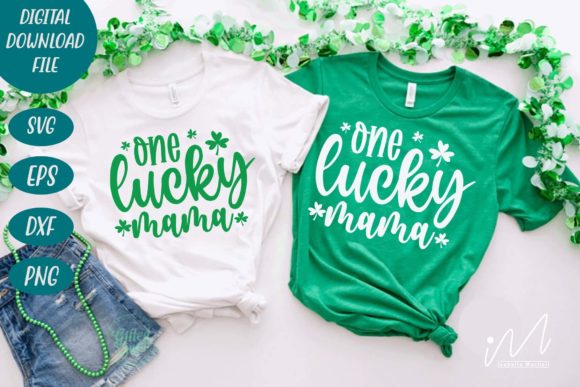
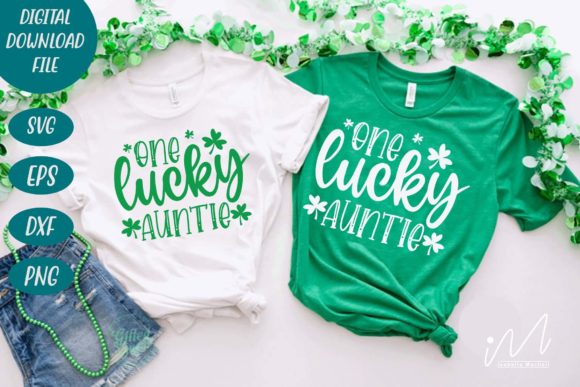
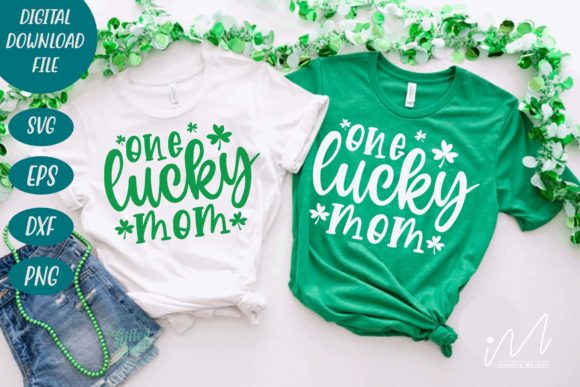
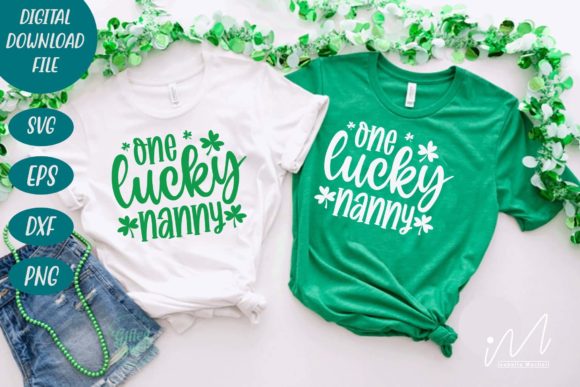
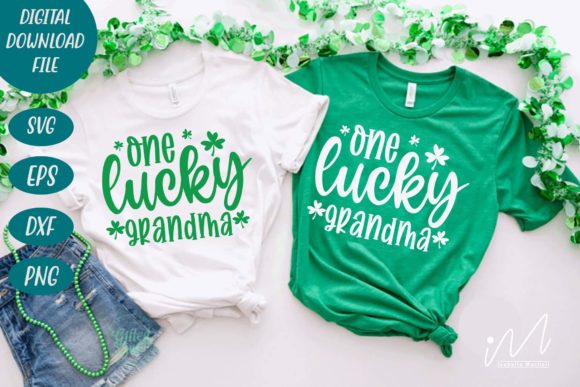
The layout of the design immediately struck me as balanced. It avoids the cluttered aesthetic that plagues so many free online files. The typography appears clean, suggesting that when converted into an embroidery file, the letterforms should remain legible even at smaller sizes. For a personalized gift, clarity is non-negotiable. If a customer cannot read the sentiment from three feet away, the design has failed its primary purpose.
The mood is cheerful without being overly childish. This makes it adaptable. While it naturally fits into the category of baby embroidery, I could easily see it working on a high-quality linen apron for a grandmother who loves to bake, or even on a canvas tote bag design for everyday use. The visual personality is approachable, which is crucial for building trust with buyers who are looking for heartfelt, handmade product quality.
Performance in Real-Life Stitching Scenarios
To test the viability of this design, I considered how it would perform across different fabrics and garments. For sweatshirt embroidery, the design needs enough weight to stand out against thick fleece or cotton blends. If the original SVG relies on thin lines, they might get lost in the pile of the fabric. However, since this is a vector-based format, there is potential to adjust the stroke width before digitizing.
When applying this to a custom apparel piece like a t-shirt, stretch becomes a factor. A design with dense fill stitch areas can cause puckering if not properly stabilized. I recommend using a cut-away stabilizer for knit fabrics to ensure the finished product remains flat and professional. For woven materials like those used in holiday embroidery projects, such as tea towels or pillow covers, a tear-away stabilizer might suffice, provided the stitch density is not excessive.
I also evaluated its potential as an embroidered patch. Patches require tight borders and often utilize satin stitch edges to prevent fraying. If the design includes intricate details, they may need simplification for small hoop applications. The One Lucky Grandma Svg seems robust enough to handle minor adjustments, making it a viable candidate for commercial embroidery runs where consistency is key.
Navigating Technical Constraints and Fabric Choices
While the design is charming, there are areas where caution is necessary. Small hoop size limitations can be a hurdle. If you are working with a 4x4 inch hoop, you must ensure the text remains large enough to be readable. Tiny lettering often leads to thread breaks and poor definition, especially on textured fabrics like terry cloth or wool.
Dark fabrics present another challenge. If you plan to stitch this on a navy or black garment, you will need high-contrast thread colors. A light cream or bright white thread would pop nicely, but you must check for coverage. Sometimes, a single layer of stitching is not enough to hide the background fabric. In such cases, consider adding an underlay or using an applique design technique where a piece of fabric is placed beneath the stitching to provide a solid background.
Curved surfaces, such as caps or hats, require special attention. The distortion caused by the curve can stretch the design horizontally. Always run a test stitch on a similar curved surface before committing to the final small shop product. This step saves time and materials, ensuring that your Etsy seller reputation remains intact through high-quality deliverables.
Enhancing Brand Value and Customer Trust
For creative entrepreneurs and craft business owners, the choice of design assets directly impacts brand perception. Using a well-structured file like One Lucky Grandma Svg signals professionalism. Customers can spot a rushed job from a mile away. Clean lines, consistent spacing, and thoughtful color choices build confidence in your design assets.
This design also lends itself well to printable mockup creation. Before stitching a single thread, you can visualize the end result on various products. This helps in marketing your digital embroidery file or finished goods on social media. A strong visual presentation drives buyer engagement and can justify a higher price point for your custom apparel or home decor items.
Practical Notes for Designers and Makers
Before integrating this into your workflow, keep these practical tips in mind:
- Test on Scrap Fabric: Always stitch a sample on the same type of fabric you intend to use for the final product. This reveals issues with tension and density.
- Check Thread Contrast: Ensure your thread colors stand out against the fabric background. Use a black and white mockup to verify readability.
- Verify Licensing: The product description mentions formats like SVG, DXF, EPS, and PNG. Confirm whether the license allows for commercial embroidery sales if you plan to sell finished items.
- Adjust for Hoop Size: Resize the design appropriately for your machine’s capabilities. Avoid scaling down too much, as this can distort stitch angles.
- Inspect Details: Look for tiny elements that may not stitch well. Simplify complex corners if necessary to prevent thread bunching.
In conclusion, One Lucky Grandma Svg offers a solid foundation for a variety of embroidery project types. With careful attention to fabric choice, stabilization, and stitch parameters, it can elevate your handmade product lineup. Whether you are creating a holiday gift or expanding your Etsy listings, this design provides the flexibility and charm needed to connect with customers on a personal level. Just remember that the digital file is only the starting point; the true value lies in how you execute it with skill and precision.