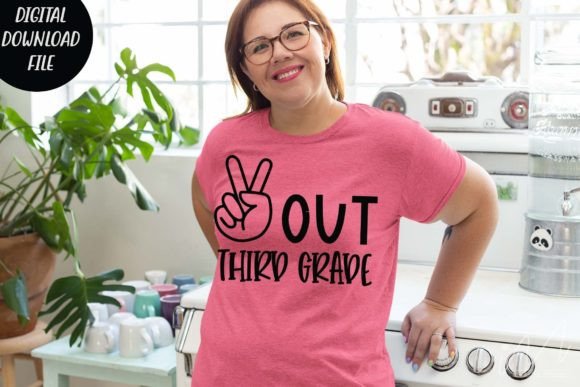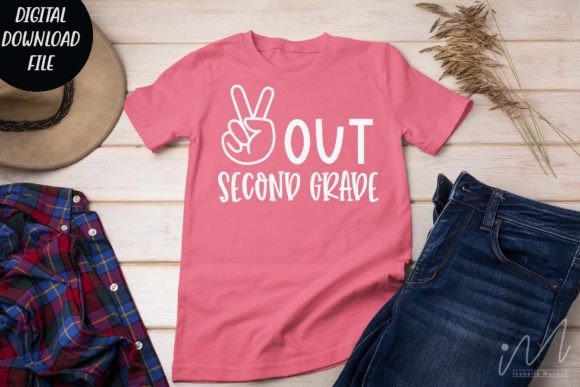
Reviewing Peace Out Sixth Grade SVG for Embroidery
As a designer who has spent countless hours digitizing and stitching out custom graphics, I approach every new file with a mix of curiosity and caution. When I first opened the Peace out Sixth Grade Svg, my immediate reaction was one of relief mixed with excitement. In the world of embroidery, we often deal with overly complex vector art that looks fantastic on a screen but turns into a tangled mess of thread breaks and puckering on fabric. This design, however, strikes a balance that is rare in digital assets meant for crafters.
The mood of this piece is effortlessly cool. It captures that specific transitional energy of a student leaving elementary school—part nostalgia, part anticipation. Visually, the layout feels open and breathable. For an embroidery project, this is crucial. Dense, cluttered designs require heavy stabilizers and can distort lightweight fabrics. The visual personality here suggests a modern, clean aesthetic that fits perfectly into current trends for personalized gifts and boutique merchandise.
Real-World Application: The Graduation Sweatshirt Test
To truly evaluate a design, you have to imagine it stitched out. I recently worked on a batch of custom apparel for a local school’s end-of-year celebration. The client wanted something that felt special but not overly formal. I envisioned the Peace out Sixth Grade Svg centered on the chest of a heather grey crewneck sweatshirt. This is a classic use case for this type of graphic.
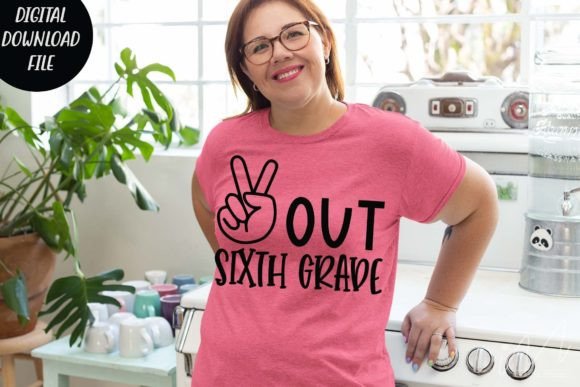
When translating a SVG or PNG into a machine embroidery design, the thickness of lines matters immensely. If the lettering is too thin, it may not hold up well under the tension of the needle. Based on the typical structure of such quote-based graphics, this design likely relies on bold, clear typography. On a sweatshirt, which has a bit of texture and loft, a design with substantial visual weight performs better than delicate script. The "peace out" hand gesture, if included as a graphic element, needs to be simplified enough to avoid tiny, isolated stitch areas that could pull out during washing.
I also considered this design for a tote bag design. Canvas is a sturdy fabric that handles fill stitches and satin stitches beautifully. A large hoop size would allow the full quote to breathe, making it a standout piece for a handmade product sold at a craft fair. The contrast between dark thread and natural canvas would make the message pop, appealing to parents looking for a memorable keepsake.
Navigating Fabric and Hoop Constraints
While the design is versatile, it is not without its limitations. As an experienced reviewer, I must point out where caution is needed. If you are planning to use this on a cap or hat, you are working with a curved surface and limited hoop space. You would need to check the dimensions carefully. If the text is too long, it might wrap awkwardly around the curve, distorting the readability. In such cases, scaling down the design or breaking it into two lines might be necessary, depending on the software capabilities you have access to.
Textured fabrics like terry cloth towels or fuzzy blankets present another challenge. The fine details of any graphic can get lost in the pile. For baby embroidery projects, such as a onesie or a burp cloth, you must ensure the stitch density is appropriate. High-density fill stitches can make a garment stiff and uncomfortable against a child’s skin. If you are converting this SVG yourself, opt for running stitch outlines or lighter fill patterns to maintain softness.
Dark fabrics require strategic thread color choices. A navy blue shirt needs bright white or neon thread to ensure the "Peace out Sixth Grade" message is legible from a distance. Always test your thread colors on scrap fabric first. What looks good on a digital mockup can sometimes disappear in real life if the contrast isn't sharp enough.
Commercial Viability for Etsy Sellers and Small Shops
For the Etsy seller or small shop owner, the value of a design lies in its marketability and ease of production. This graphic taps into a seasonal niche: graduation season. It is a high-demand period for personalized gifts. A design that is quick to stitch and visually appealing increases your throughput, allowing you to fulfill more orders during peak times.
The fact that you receive SVG, DXF, EPS, and PNG formats offers flexibility. While these are primarily cut files for vinyl or paper crafts, they serve as excellent references for digitizing your own embroidery file. If you are a digital embroidery file seller, you can use the PNG for printable mockups to showcase how the final embroidered product might look. This helps build customer trust and enhances your brand consistency across listings.
However, a critical note for commercial embroidery: always confirm licensing before selling finished items. Just because a file is labeled for Crafts or Graphics does not automatically grant commercial rights for physical goods. Check the specific terms provided by the creator. If the license allows for commercial use of finished products, this design could be a strong addition to your spring catalog.
Technical Notes for the Digitizer
If you are taking this SVG and converting it into a stitch file, keep these practical tips in mind:
- Check Stitch Density: Avoid over-saturating the fabric. Use auto-digitizing tools with caution; manual adjustment of underlay stitches is often necessary for clean results.
- Inspect Small Details: Zoom in on the curves of the letters and any graphic elements. Ensure there are no nodes that are too close together, which can cause needle deflection.
- Stabilizer Selection: For stretchy fabrics like t-shirts, use a cut-away stabilizer to prevent distortion. For woven fabrics like aprons or pillow covers, a tear-away stabilizer is usually sufficient.
- Test on Scrap Fabric: Never run a new design directly on the final garment. Test it on the same type of fabric to check for puckering or thread breaks.
- Color Contrast: Review the design in black and white to ensure the shape remains recognizable without color cues. This helps in choosing effective thread colors for various garment shades.
In conclusion, the Peace out Sixth Grade Svg is a solid asset for designers who understand how to translate 2D graphics into textile art. It offers a trendy, relevant theme that resonates with a specific audience. By paying attention to fabric choice, hoop size, and stitch technique, you can turn this digital file into a high-quality finished product that customers will cherish. Whether you are creating a single personalized gift or stocking your small shop with holiday embroidery and graduation gear, this design holds up well under professional scrutiny.