Reviewing Little Sweet Heart Svg for Embroidery
As a designer who has spent countless hours staring at digitized files and watching needles dance across fabric, I have learned that not every cute graphic translates well into thread. When I first pulled up the Little Sweet Heart Svg, my initial reaction was one of cautious optimism. The phrase itself evokes a specific warmth, suitable for nurseries, baby showers, or affectionate gifts. However, moving from a screen-based vector to a tactile machine embroidery design requires a critical eye. This review breaks down how this asset performs in real-world scenarios, helping you decide if it belongs in your next craft business lineup.
First Impressions and Visual Personality
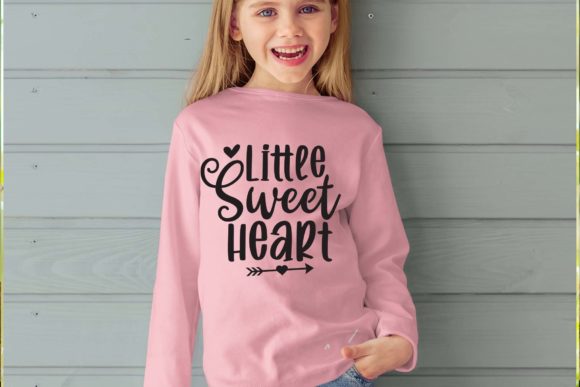
The layout of the Little Sweet Heart Svg is clean and balanced. It does not rely on overly complex flourishes that often cause stitching nightmares. Instead, it offers a straightforward typographic approach paired with a simple heart motif. For an embroidery project, simplicity is often a virtue. Complex curves can lead to puckering if not digitized correctly, but this design’s open structure suggests it will sit flat on most materials. The mood is gentle and inviting, making it an ideal candidate for items meant to convey care and affection. It feels less like a loud statement piece and more like a subtle, heartfelt accent.
Real-World Application: The Custom Tote Test
To truly evaluate a design, I imagine it on a specific product. Let’s consider a canvas tote bag, a staple for any Etsy seller. Canvas is sturdy, providing a stable base for stitching. If I were to apply the Little Sweet Heart Svg here, I would likely use a fill stitch for the heart to give it weight and texture, while keeping the text in a lighter satin stitch or even a running stitch depending on the font thickness. The contrast between the textured heart and the smoother lettering could add visual interest without overwhelming the fabric. Customers buying a tote often look for durability and charm; this design delivers both without appearing cheap or mass-produced.
Another strong contender is sweatshirt embroidery. Here, the fabric is thicker and has a nap. The design needs to be bold enough to stand out against the fuzzy texture. Since the Little Sweet Heart Svg is scalable, I would increase the size slightly to ensure the letters remain legible. A small shop owner might offer this as a personalized option, adding a name below the quote. This transforms a standard garment into a personalized gift with higher perceived value.
Navigating Fabric and Hoop Constraints
While the design is versatile, it is not without its limitations. One must be mindful of hoop size. If you are working with a 4x4 inch hoop, you may need to scale the design down significantly. At smaller sizes, thin lines in the typography can become indistinct or break during stitching. I always advise testing on scrap fabric first. Check if the stitch density is appropriate for your machine. If the file is provided as SVG, DXF, EPS, and PNG, remember that these are cut files, not necessarily pre-digitized embroidery files. You will need to use embroidery software to convert these vectors into stitch data, allowing you to control the thread colors and stitch types.
Textured fabrics like terry cloth or heavy denim require careful handling. On terry, small details can get lost in the loops. For baby embroidery on onesies, I would recommend using a tear-away stabilizer to prevent stiffness, ensuring the garment remains soft against sensitive skin. Dark fabrics present another challenge. If you are stitching light-colored thread on black cotton, you must ensure the digitizing includes proper underlay stitches to prevent the background fabric from peeking through. This is where reviewing the design in a black-and-white mockup can save you from costly mistakes.
Commercial Viability and Brand Consistency
For commercial embroidery professionals, consistency is key. The Little Sweet Heart Svg fits well within a boutique aesthetic that values minimalism and sentiment. It does not clash with other designs, making it easy to integrate into a broader collection of design assets. Whether you are creating holiday embroidery for Valentine’s Day or year-round custom apparel, this graphic maintains a timeless appeal. It avoids trendy fonts that might date quickly, ensuring your finished product remains relevant.
When selling on platforms like Etsy, presentation matters. Use the included PNG transparent file to create high-quality printable mockup images. Show the design on various backgrounds to help buyers visualize the final item. Clear, professional images build trust and can significantly boost conversion rates. Remember, you are not just selling a stitched item; you are selling the emotion attached to it. The phrase "Little Sweet Heart" resonates with parents, grandparents, and partners, tapping into a universal desire to express love.
Practical Designer Notes
Before committing to a full production run, keep these technical considerations in mind:
- Check Licensing: Ensure the license allows for commercial use if you plan to sell physical items. The product description mentions formats but does not specify license terms, so verify this with the seller.
- Digitize Carefully: Since you receive SVG, DXF, and EPS files, you have the flexibility to adjust the design. Use this to optimize pathing and reduce jump stitches.
- Test Stitch Density: Too much density can cause fabric distortion. Too little can look sparse. Find the balance that suits your specific fabric type.
- Contrast is Crucial: Choose thread colors that stand out against the fabric. A monochromatic look can be elegant, but ensure there is enough tonal difference to maintain readability.
- Stabilizer Selection: Match your stabilizer to the fabric weight. Lightweight fabrics need cut-away stabilizer for support, while stable wovens can use tear-away.
Final Verdict
The Little Sweet Heart Svg is a solid addition to any designer’s library. It is not overly complex, which makes it accessible for beginners, yet it offers enough room for creative interpretation by experienced digitizers. Its strength lies in its emotional resonance and versatility. Whether used on a tote bag design, a cozy blanket, or a delicate embroidered patch, it brings a touch of sweetness that customers appreciate. By paying attention to technical details like stabilizer choice and stitch density, you can transform this simple graphic into a high-quality handmade product that stands out in a crowded market. Always remember to test, adjust, and refine before presenting your final work to the world.