Reviewing End of Quote Repeat the Line Vol. 5
As a designer who has spent countless hours digitizing and testing machine embroidery design files, I have learned that not all digital assets are created equal. When I first opened the folder for End of Quote Repeat the Line Vol. 5, my initial reaction was one of cautious optimism. In the world of Crafts and digital Graphics, it is easy to find trendy patterns, but finding a versatile repeat that translates well from screen to thread requires a keen eye. This review breaks down how this specific collection performs in real-world applications, moving beyond the marketing copy to look at stitch integrity, visual impact, and commercial viability.
First Impressions and Visual Personality
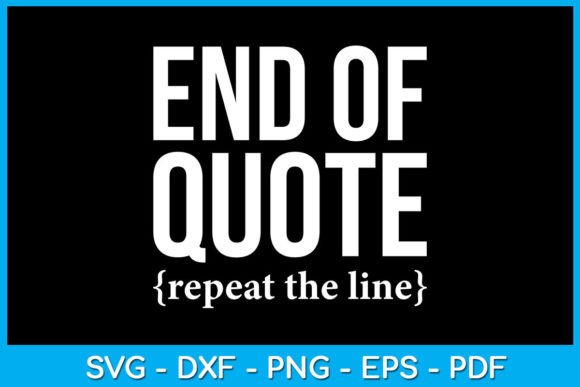
The immediate mood created by End of Quote Repeat the Line Vol. 5 is structured yet playful. The layout suggests a modern aesthetic that avoids the clutter often found in complex repeats. For an embroidery project, clarity is king. If the lines are too thin or the spacing too tight, the machine will struggle, resulting in bird nests and broken threads. Upon inspecting the preview files, the spacing appeared generous enough to accommodate standard fill stitch or satin stitch techniques without excessive density.
This design does not scream for attention; rather, it invites it. It feels like a background element that supports a central motif or stands alone as a subtle texture. For Etsy seller accounts and small shop owners, this subtlety is a strength. It allows the product to feel high-end and curated rather than loud and mass-produced. The visual personality fits seamlessly into contemporary home decor and minimalist apparel trends.
Real-World Application: The Custom Tote Test
To truly evaluate an embroidery file, you must imagine it on fabric. I visualized using this repeat for a custom tote bag design. Canvas is a forgiving fabric, but it has a distinct weave. A repeat pattern like this needs to align correctly at the seams if used as an all-over print, or sit perfectly centered if used as a panel.
In this scenario, the End of Quote Repeat the Line Vol. 5 would work exceptionally well as a border treatment along the bottom hem of a heavy-duty canvas tote. The linear nature of the design complements the structural lines of the bag. When stitched with a contrasting thread colors scheme, such as white thread on navy canvas, the design pops with professional crispness. However, if used on a thinner cotton blend, the stitch density becomes a critical factor. If the digital file is too dense, it will pucker the fabric, ruining the finished product before it even reaches the customer.
Apparel and Wearables
Moving beyond bags, I considered sweatshirt embroidery. Fleece and French terry are thick, textured fabrics. Here, the design’s simplicity is an asset. Complex details get lost in the pile of fleece, but strong, repeating lines maintain their integrity. This makes End of Quote Repeat the Line Vol. 5 a strong candidate for custom apparel aimed at boutique branding. Imagine a local coffee shop ordering branded hoodies; this repeat could run along the sleeve or across the back yoke, offering a unique alternative to a standard chest logo.
For baby embroidery, caution is required. While the design is cute, babies have sensitive skin. Any machine embroidery design used on infant clothing must be backed with a soft, cut-away stabilizer to prevent scratchiness. Furthermore, the design should be scaled down significantly. What looks bold on a tote might overwhelm a tiny onesie. Always test on scrap fabric first to ensure the running stitch outlines do not gap or distort on stretchy knits.
Navigating Technical Challenges
Every designer knows that what looks good on a monitor can fail under the needle. There are specific scenarios where End of Quote Repeat the Line Vol. 5 requires careful handling.
- Curved Surfaces: Applying a linear repeat to a cap or hat is tricky. The curvature can distort the alignment. It is best suited for flat panels or pre-shaped patches rather than direct stitching on a curved crown.
- Dark Fabrics: If stitching on black or dark navy, ensure the design includes proper underlay stitches. Without them, the fabric may peek through the top stitches, breaking the visual continuity of the line.
- Small Hoop Sizes: If you are working with a 4x4 inch hoop, check if the repeat tiles correctly within that boundary. You may need to edit the file to ensure the pattern flows seamlessly when hooped multiple times.
These technical considerations are not flaws in the design but realities of the medium. A savvy craft business owner anticipates these issues. By testing the digital embroidery file on various fabric texture types, you protect your brand reputation. A puckered shirt or misaligned patch leads to refunds and negative reviews, which no small shop product can afford.
Commercial Value and Brand Consistency
Why choose End of Quote Repeat the Line Vol. 5 over a free clipart option? Consistency and professionalism. When you sell a personalized gift or a handmade product, the quality of the design reflects directly on your brand. This collection offers a polished look that elevates the perceived value of the item.
For those creating printable mockup assets or digital previews, this design provides clean lines that render well in photos. Clear, crisp embroidery photographs better, leading to higher buyer engagement on platforms like Etsy. It serves as a reliable design assets tool for building a cohesive product line. Whether you are making holiday embroidery gifts or year-round embroidered patch collections, having a versatile repeat in your library saves time and ensures quality.
Final Designer Notes
Before committing to a large production run, always verify the specifics. Since the provided description mentions SVG images primarily for decals and paper crafts, you must confirm if true embroidery formats (such as PES, DST, or JEF) are included or if digitization is required. If you are digitizing it yourself from the SVG, pay close attention to node reduction to keep stitch counts manageable.
- Check the license terms explicitly. Ensure commercial use is permitted for physical goods if you plan to sell commercial embroidery items.
- Test on both light and dark fabrics to determine optimal thread contrast.
- Use the appropriate stabilizer for your fabric weight to maintain shape.
- Inspect small details after the first test stitch to ensure no thread breaks occur in tight corners.
In conclusion, End of Quote Repeat the Line Vol. 5 is a promising addition to a designer’s toolkit. It offers flexibility across various embroidery project types, from home decor to apparel. With proper technical preparation and an understanding of fabric behavior, it can produce stunning, professional results that resonate with customers and enhance the value of your creative enterprise.