Review: Adulting is Not My Thing SVG for Embroidery
As a designer who spends half my life digitizing and the other half stitching, I have learned that not every popular graphic translates well to thread. We often see trending quotes in the Crafts category that look fantastic on a screen but turn into a tangled mess under the needle. Today, I am putting the Adulting is Not My Thing SVG under the microscope. This isn’t just about whether it looks cute; it is about whether it holds up in a real-world embroidery project intended for sale or gifting.
The Visual Personality and First Impressions
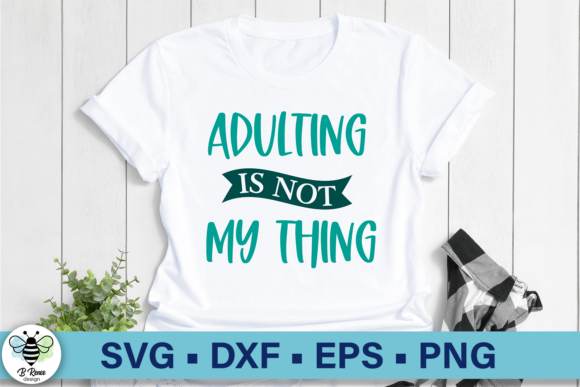
When I first loaded the Adulting is Not My Thing SVG into my design software, the immediate vibe was playful and relatable. The typography suggests a casual, hand-drawn aesthetic that resonates with millennials and Gen Z buyers who appreciate self-deprecating humor. For an Etsy seller or small shop product creator, this mood is gold. It feels approachable rather than corporate.
However, as an experienced reviewer, I look past the sentiment to the structure. The layout appears balanced, but the critical question for us is how those curves and terminals translate to satin stitch or fill stitch paths. In Graphics, vectors are infinitely scalable and clean. In embroidery, every curve is a series of stitches that must navigate fabric grain and tension. The design’s charm lies in its simplicity, which is actually a strength for machine work. Overly complex scripts often fail at small sizes, but this quote seems to rely on bold, clear letterforms that should maintain legibility even when scaled down for a pocket placement.
Real-World Application: From Screen to Stitch
To test the viability of this design, I imagined a specific scenario: a custom order for a boutique client wanting matching tote bag design elements for a team retreat. The goal was to create something fun but durable. Using the Adulting is Not My Thing SVG on a heavy canvas tote requires different considerations than using it on a soft jersey sweatshirt embroidery project.
On the tote, the design needs density to cover the weave of the canvas. If the original file is optimized for cutting (as suggested by its compatibility with Cricut and Silhouette), it might lack the necessary underlay or stitch density for thick fabrics. A cut file is a single line; an embroidery file is a map of thousands of stitches. If you are converting this SVG yourself, you must ensure the text has enough width to support a satin stitch without becoming too tall and prone to snagging. For a personalized gift like a baby onesie, the scale would be much smaller. Here, the "not my thing" attitude is charming, but the execution must be flawless. Tiny letters on stretchy fabric require a robust stabilizer strategy to prevent puckering.
Navigating Fabric and Hoop Constraints
One of the biggest pitfalls for crafters is ignoring the physical limitations of the medium. While this design works beautifully as a digital embroidery file for printing or cutting, stitching it requires careful planning. I recommend avoiding this design on highly textured fabrics like terry cloth unless you use a significant amount of topping. The fine details of the lettering could get lost in the loops of the towel.
Similarly, consider the hoop size. If you are aiming for a large statement piece on a hoodie back, ensure your machine can handle the dimensions without requiring a re-hoop, which risks misalignment. For curved surfaces like caps, this design might need to be arched digitally before stitching to follow the contour of the crown. Straight text on a curved cap often looks distorted once the item is worn. Also, be cautious with dark fabrics. If the design relies on negative space or thin outlines, ensure your thread colors provide high contrast. A light gray thread on a black shirt will vanish, ruining the comedic impact of the quote.
Commercial Viability and Brand Trust
For commercial embroidery professionals, the quality of the final stitch-out directly impacts brand consistency. A sloppy execution of a funny quote can make a craft business look amateurish. Customers buying a finished product expect durability. They want to know that after five washes, the "Adulting is Not My Thing" message won’t unravel. This is where testing is non-negotiable.
Before listing this as a custom apparel option in your store, run a test on scrap fabric identical to your production material. Check for pull compensation issues where the fabric pulls between columns of stitching, causing gaps. Inspect the corners of the letters; sharp points in an SVG can become blunt or bulky in embroidery if the stitch angles aren’t optimized. A clean, crisp stitch-out builds customer trust and encourages repeat business. It transforms a simple joke into a high-quality handmade product that people are proud to wear or gift.
Practical Designer Notes for Best Results
If you plan to use this design, here are my top recommendations for ensuring success:
- Test on Scrap First: Never stitch a new design directly on the final garment. Use a similar weight and type of fabric to check tension and density.
- Check Stabilizer Needs: For knit fabrics like t-shirts, use a cut-away stabilizer for longevity. For wovens like aprons or tote bags, a tear-away may suffice, but hooping firmly is key.
- Verify Licensing: The product description mentions use for Cricut and Silhouette projects. Before selling finished items or digital assets, confirm if the license allows commercial use for embroidered goods. Some SVG licenses are strictly for personal crafting.
- Mockup in Black and White: Remove color from your digital preview to check contrast and readability. If it doesn’t read well in monochrome, it won’t read well in thread.
- Adjust Density for Fabric: If the design feels too stiff after stitching, reduce the fill density. If it looks sparse, increase it or add a lighter underlay.
Final Verdict
The Adulting is Not My Thing SVG is a strong contender for makers looking to add personality to their inventory. Its strength lies in its relatability and clean lines, which generally translate well to embroidery if handled with care. It fits perfectly into the current market demand for humorous, low-key holiday embroidery gifts or everyday embroidered patch styles. However, success depends entirely on the technician’s ability to adapt a cut-file mindset to the realities of thread and fabric. With proper stabilization, thoughtful thread selection, and rigorous testing, this design can elevate a simple piece of clothing into a standout small business merchandise item that sells itself.