One Lucky Gigi SVG: A Designer’s Real-World Review
As an embroidery designer who has spent countless hours digitizing, testing, and stitching out files for clients, I have developed a keen eye for what makes a design work in the real world. It is not just about how a graphic looks on a screen; it is about how it translates to thread, how it sits on fabric, and whether it holds up under the needle. Recently, I evaluated One Lucky Gigi Svg to determine its viability for actual production use. This is not a theoretical review. This is a look at how this specific asset performs when you are trying to create high-quality handmade products for your craft business or personal projects.
First Impressions and Visual Personality
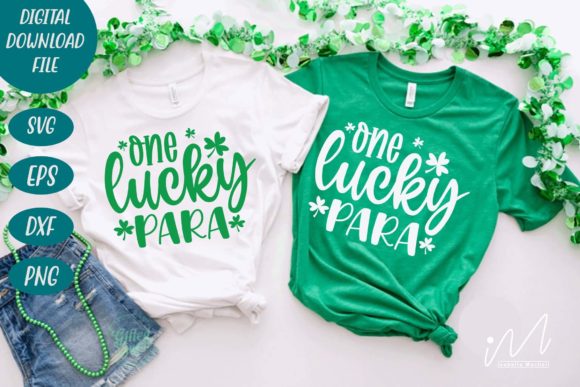
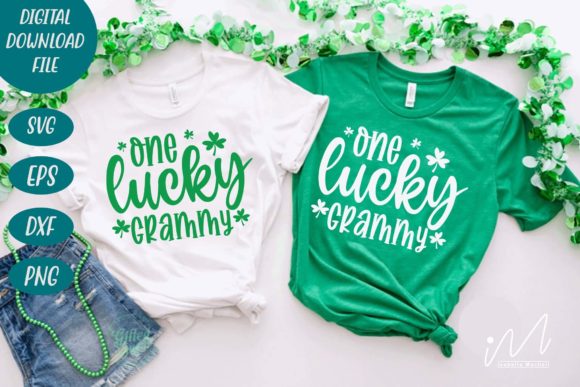
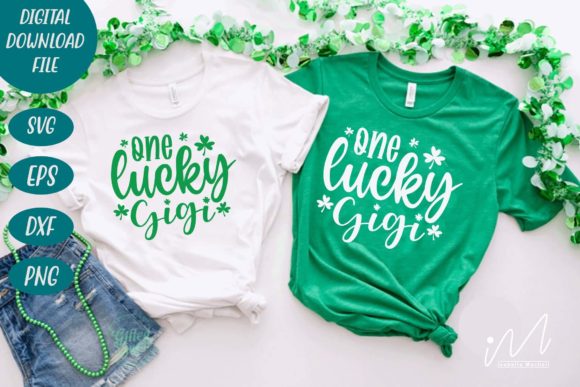
The phrase "One Lucky Gigi" carries immediate emotional weight. It suggests warmth, family pride, and a touch of playful charm. When I first opened the file, my primary concern was the layout and the potential for stitch clarity. Since this is provided as an SVG Cut Files package, including DXF, EPS, and PNG Transparent formats, the initial visual is clean vector lines. For an embroidery professional, this means the design relies heavily on how you choose to interpret those lines into stitches.
The mood is celebratory yet grounded. It does not scream for attention with overly complex flourishes, which is often a good thing in embroidery. Complex, tiny details can turn into a mess of thread breaks and bird nests. The simplicity of the text-based design allows for versatility. It feels right at home in the Crafts category, specifically for those looking to create sentimental personalized gift items. The visual personality is friendly and approachable, making it ideal for boutique branding where you want to convey care and quality.
Real-World Application: The Tote Bag Test
To truly understand the value of One Lucky Gigi Svg, I imagined a common scenario for many Etsy seller accounts: a custom order for a grandmother’s birthday. The client wants a sturdy canvas tote bag. This is where the rubber meets the road. Canvas is textured and thick. If the lettering in your converted design is too thin, it will get lost in the weave of the fabric. If it is too dense, the bag will pucker.
Using this design for a tote bag design requires careful attention to scale. Because you receive the SVG and EPS files, you have the freedom to resize the artwork before converting it into an embroidery file. I found that expanding the size slightly helped maintain legibility. The quote stands out well against natural cotton or dyed canvas, provided you choose high-contrast thread colors. A dark navy thread on a beige bag creates a classic, timeless look that appeals to a broad demographic. This kind of finished product sells because it feels intentional, not mass-produced.
Sweatshirts and Apparel Considerations
Moving from accessories to apparel, let’s consider sweatshirt embroidery. This is a popular niche for small shop product lines. Sweatshirt fabric is soft but can be fuzzy. When working with a text-based design like this, you must decide between a fill stitch or a satin stitch border. A solid fill might look heavy on a chest placement, while a satin column could provide a cleaner, more modern aesthetic.
However, there is a caveat. If you are stitching on a curved surface or a stretchy fabric, stability is key. You must use the proper stabilizer to prevent distortion. The design itself is simple enough that it should not cause excessive pulling, but always test on scrap fabric first. I recommend checking how the letters connect. In some SVG conversions, tight kerning can lead to overlapping stitches that become bulky. Adjusting the spacing in your software before digitizing ensures a flat, professional finish.
Navigating Technical Challenges
While One Lucky Gigi Svg is versatile, it is not without its challenges. As a reviewer, I need to point out where caution is necessary. First, consider the hoop size. If you are working with a small 4x4 hoop, you may need to simplify the design or reduce the font weight to ensure it fits without crowding the edges. Tiny lettering on dark fabric can disappear if the thread sheen does not catch the light properly.
Another critical factor is stitch density. Since this is a vector graphic and not a pre-digitized embroidery file, you are responsible for setting the density. High density on thin fabric, like a baby onesie, will cause stiffness and discomfort. For baby embroidery, I would recommend using a lighter weight thread and ensuring the design is airy enough to remain soft against sensitive skin. Always inspect small details. Sharp corners in SVGs can translate to jagged stitches if not smoothed out during the digitizing process.
Commercial Viability and Brand Consistency
For commercial embroidery professionals, consistency is currency. Using a reliable base file like One Lucky Gigi Svg helps maintain brand consistency across different products. Whether you are making an embroidered patch for a jacket or a holiday embroidery piece for a pillow cover, the core design remains recognizable. This builds customer trust. Buyers return to shops where the quality is predictable and the presentation is polished.
The inclusion of PNG Transparent files is also a boon for marketing. You can easily create printable mockup images for your online store without needing to stitch every color variation physically. This saves time and resources, allowing you to focus on production. It serves as excellent design assets for social media previews, helping potential customers visualize the custom apparel or home decor item before they buy.
Practical Notes for the Maker
Before you commit to a full production run, keep these practical tips in mind:
- Test on Scrap Fabric: Never skip this step. Different fabrics react differently to the same stitch pattern.
- Check Thread Contrast: Ensure your thread color pops against the background, especially for smaller sizes.
- Review Stitch Density: Adjust density based on fabric weight to avoid puckering or stiffness.
- Confirm Hoop Size: Make sure the scaled design fits comfortably within your machine’s hoop limits.
- Inspect Small Details: Zoom in on your digitizing software to check for overlapping paths or tiny elements that may not stitch out cleanly.
- Licensing Check: While the file formats suggest flexibility, always confirm the specific license terms for selling finished items or digital products derived from this SVG.
In conclusion, One Lucky Gigi Svg is a solid choice for designers who want control over their final output. It offers the raw material needed to create beautiful, meaningful Graphics for embroidery. It fits seamlessly into the workflow of a serious maker who understands that the best results come from thoughtful preparation and technical precision. Whether you are creating a heartfelt gift or building inventory for your craft business, this design provides a strong foundation for success.